Basement Stabilization in Tampa, FL
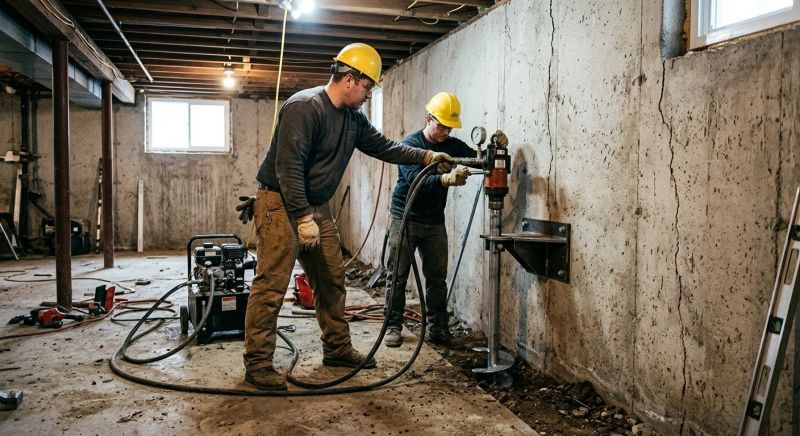
Basement stabilization services involve reinforcing and supporting the foundation and walls of a basement to prevent or correct issues caused by shifting, settling, or structural weakness. These projects often address problems such as cracked or bowing walls, uneven floors, or signs of foundation movement that can compromise the safety and integrity of a home. Homeowners typically seek basement stabilization to protect their property from further damage, improve structural stability, and ensure a safe living environment.
Before requesting basement stabilization, property owners usually want to understand the specific causes of foundation movement, the types of stabilization methods available, and the expected outcomes of the work. It’s important to consider the extent of the damage, the materials used in the existing foundation, and any potential impacts on the home’s interior or landscaping. Clear communication about these factors can help determine the most appropriate approach for maintaining the stability and value of the property.
Many property owners in Tampa, FL look into Basement Stabilization for repairs, replacements, upgrades, and appearance-related improvements.
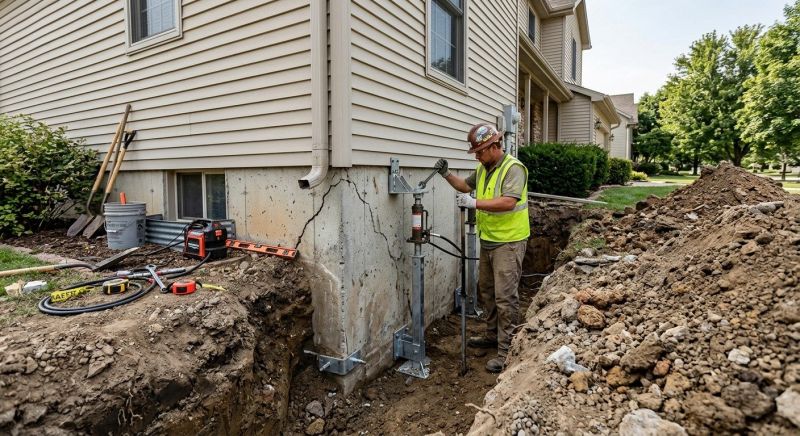
Foundation Support Solutions
Stabilizing basement foundations helps prevent further settling and structural damage.
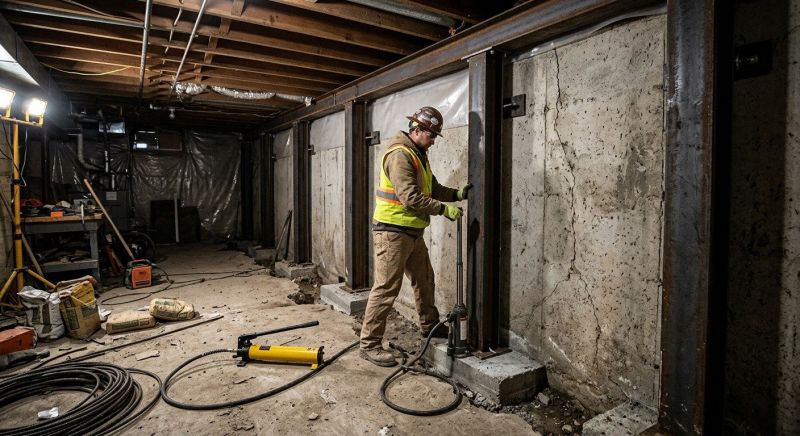
Signs Of Basement Instability
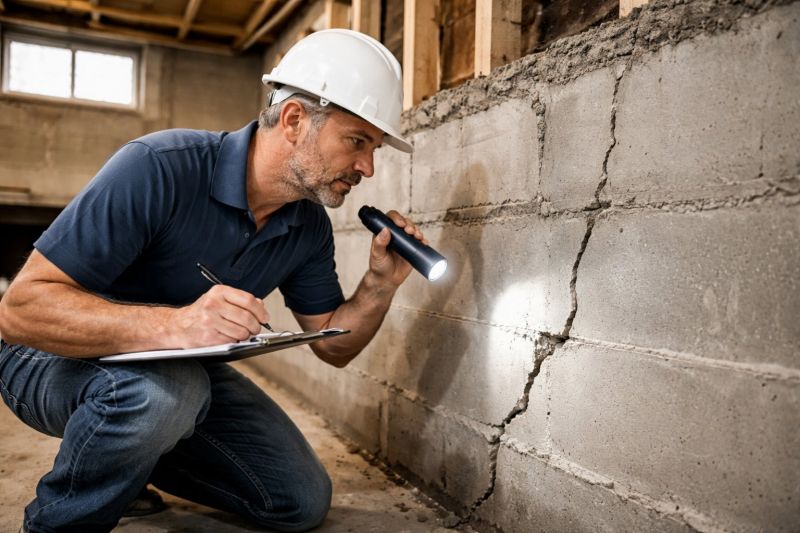
Cracks, uneven floors, and sticking doors can indicate the need for stabilization services.
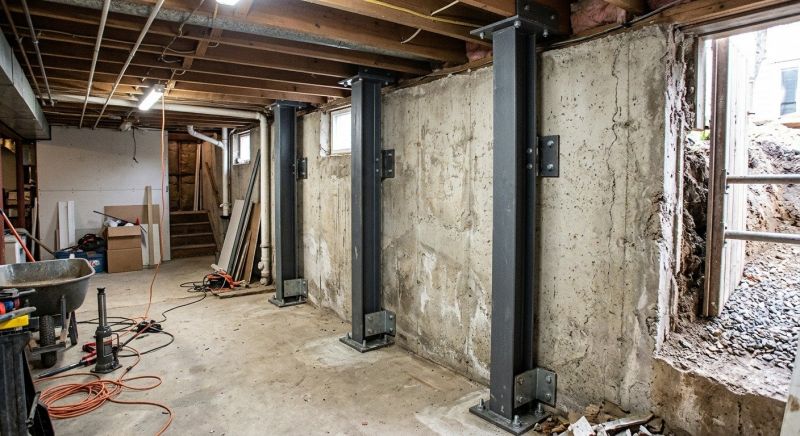
Common Stabilization Methods
Soil jacking, piering, and underpinning are techniques used to reinforce and stabilize basement structures in tampa, fl.
Basement Stabilization in Tampa, FL

Basement stabilization services involve reinforcing and supporting the foundation and walls of a basement to prevent or correct issues caused by shifting, settling, or structural weakness. These projects often address problems such as cracked or bowing walls, uneven floors, or signs of foundation movement that can compromise the safety and integrity of a home. Homeowners typically seek basement stabilization to protect their property from further damage, improve structural stability, and ensure a safe living environment.
Before requesting basement stabilization, property owners usually want to understand the specific causes of foundation movement, the types of stabilization methods available, and the expected outcomes of the work. It’s important to consider the extent of the damage, the materials used in the existing foundation, and any potential impacts on the home’s interior or landscaping. Clear communication about these factors can help determine the most appropriate approach for maintaining the stability and value of the property.
Many property owners in Tampa, FL look into Basement Stabilization for repairs, replacements, upgrades, and appearance-related improvements.
Common Basement Stabilization Jobs
Basement Stabilization - addresses uneven floors and foundation shifts to improve safety.
Foundation Reinforcement - provides support for settling or cracked basement walls.
Wall Bracing - prevents bowing or collapsing of basement walls due to pressure.
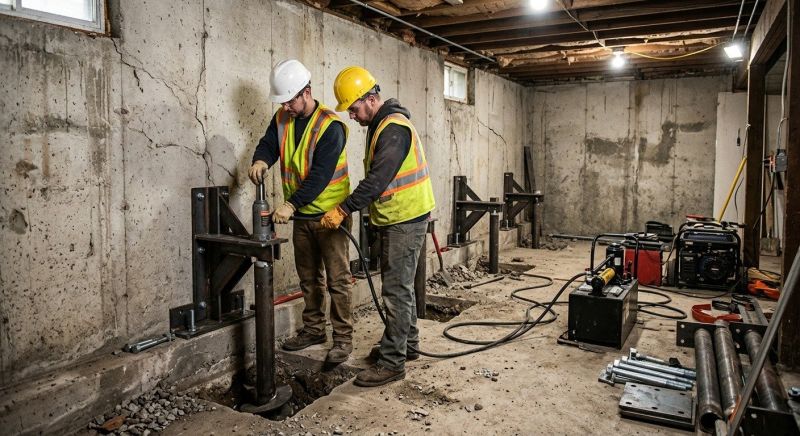
Piering and Underpinning - stabilizes and lifts sinking basement floors and walls.
Soil Stabilization - reduces shifting and settling caused by unstable ground conditions.
Crack Repair - seals and reinforces basement walls to prevent further damage.
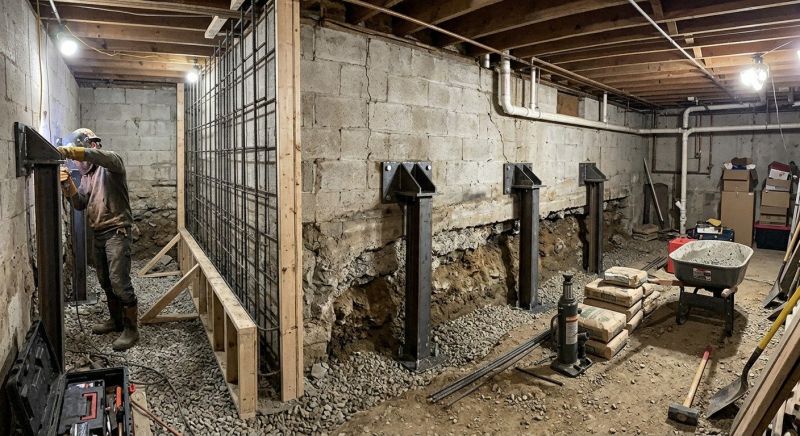
Basement Stabilization Questions
What causes basement instability? Common causes include soil shifting, poor drainage, and foundation settling, which can lead to cracks and uneven floors.
How do I know if my basement needs stabilization? Signs include visible cracks, uneven flooring, or doors and windows that don’t close properly.
What stabilization methods are available? Techniques include underpinning, wall anchors, and pier systems to reinforce and stabilize the foundation.
Is basement stabilization disruptive? The process is designed to minimize disruption, with most work completed efficiently to restore stability.
Request Basement Stabilization in Tampa, FL
Use the quote form on this page to share the basics of your project and request more information for the type of work you need.